- 6min read
- |
Best Fiber-Rich Indian Foods for Digestive Health and Weight Loss
Summary:
Traditional Indian diets have always been naturally rich in fiber through millets, dals, vegetables, fruits, and whole grains. Fiber plays an important role in improving digestion, supporting gut health, managing blood sugar, and aiding weight loss. According to ICMR–NIN, Indians should consume 25–40 g of fiber daily, yet most urban diets fall short due to refined grains and packaged foods. Including whole pulses, millet-based meals, fruits with peel, and vegetables in everyday meals can help bridge this fiber gap naturally. Gradually increasing fiber intake along with proper hydration is the best approach for long-term digestive and metabolic health.

By Mantasha Inamdar
Nutritionist

Table of Contents
- Introduction
- Understanding Dietary Fiber and Daily Requirements
- Traditional Indian Whole Grains High in Fiber
- Dal and Pulses as Fiber Powerhouses
- Fiber-Rich Indian Vegetables
- Indian Fruits Packed with Natural Fiber
- Traditional High-Fiber Indian Breakfast Options
- How Fiber Supports Weight Loss
- Practical Tips to Increase Fiber Intake
- Common Mistakes in Fiber Consumption
- Frequently Asked Questions
India’s traditional diet has always been naturally rich in fiber - even before modern nutrition science proved its benefits. From millets and dals to sabzis and fruits, our meals are plant-based by design.
Institutions like the Indian Council of Medical Research (ICMR) and the National Institute of Nutrition (NIN) recommend adequate fiber intake to help prevent obesity, diabetes, and heart disease. Ayurveda also supports plant roughage for better digestion and gut balance (Agni). Modern research confirms that higher Fiber intake improves bowel health, supports weight loss, and helps control blood sugar.
https://doi.org/10.3389/fnut.2024.1510564
Understanding Dietary Fiber and Daily Requirements for Indians
Dietary fiber refers to plant-based carbohydrates that resist digestion in the small intestine. It is broadly classified into:
1. Soluble Fiber
- Dissolves in water to form a gel
- Slows digestion and glucose absorption
- Lowers LDL cholesterol
- Acts as prebiotics, nourishing the gut microbiome
2. Insoluble Fiber
- Adds bulk to stool
- Prevents constipation
- Promotes bowel regularity

According to ICMR–NIN recommendations, Indian adults should consume 25–40 grams of Fiber daily, depending on age and energy intake. However, urban Indian diets often provide less than 15–20 grams daily, creating a significant Fiber gap (ICMR–NIN RDA 2020; NCBI review on Indian dietary transitions).
The WHO nutrition guidelines also associate higher Fiber intake with lower all-cause mortality and reduced risk of type 2 diabetes https://www.ncbi.nlm.nih.gov/books/NBK279012/
Traditional Indian Whole Grains High in Fiber
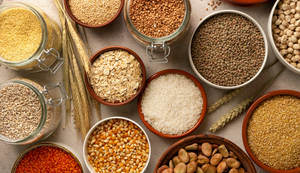
Millets and whole grains are foundational to Indian cuisine. Unlike polished grains, they retain bran and germ layers rich in fiber and micronutrients.
Below is the fiber content of Millets per 100 g in their raw form:
- Ragi (Finger Millet) – ~11.8g fiber/100g; rich in calcium and polyphenols
- Bajra (Pearl Millet) – ~11.4g fiber/100g; improves satiety and glycemic control
- Jowar (Sorghum) – ~10.2g fiber/100g; gluten-free whole grain
- Whole wheat atta – ~11g fiber/100g
- Brown (unpolished) rice – ~4.4g fiber/100g
Millet-based diets are associated with improved lipid profiles and better glucose metabolism. https://doi.org/10.4103/aam.aam_69_25
Dal and Pulses as Fiber Powerhouses in Indian Cuisine
Pulses provide both protein and fiber - a powerful protein–fiber combo that enhances satiety and stabilizes blood sugar.
Below is the fiber content of Dals and Legumes per 100 g in their raw form:
- Masoor dal – ~8g fiber
- Chana dal – ~10–12g fiber
- Rajma – ~13–15g fiber
- Moong dal – ~7g fiber
- Kabuli chana – ~12g fiber
NCBI studies show regular legume consumption improves gut microbiota diversity and reduces risk of obesity and cardiovascular disease. https://doi.org/10.4103/aam.aam_69_25
Fiber-Rich Indian Vegetables for Daily Meals
Including at least one sabzi per meal significantly boosts fiber intake.
Below is the fiber content of Vegetables per 100 g in their raw form:
- Bhindi (okra) – ~3g Fiber/100g
- Fenugreek Leaves– ~4.9g/100g
- drumstick (moringa) – ~6.8g/100g
- Cluster beans (gawar) – ~4.8g/100g
- Bottle gourd – ~2.1g/100g
- Spinach– 2–3g/100g

Vegetable Fiber improves stool bulk and fermentation in the colon, producing short-chain fatty acids (SCFAs) that enhance gut health and metabolic regulation.
Indian Fruits Packed with Natural Fiber
Whole fruit consumption is always a better choice than juices because fiber remains intact.
Below is the fiber content of Fruits per 100 g in their raw form:
- Guava – ~8g (highest among common Indian fruits)
- Papaya – ~3g
- Apple (with peel) – ~2.5g
- Pear – ~4.4g
- Pomegranate – ~2.8g
- Banana – ~2.3g

Traditional Indian Breakfast Foods High in Fiber
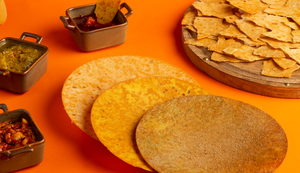
Millet Dosa made of Ragi & Bajra, Stirred Fried Sprouts, Moong Chilla, Vegetable Millet Paratha,Chana Daal Chilla and Vegetable Millet Upma.
Research from the National Institute of Nutrition and publications in the Indian Journal of Medical Research show rising obesity prevalence linked to Refined Grain Intake.
Fiber supports weight loss by:
- Increasing satiety, reducing calorie intake (Slavin, 2013)
- Improving glycemic control, preventing insulin spikes
- Supporting gut microbiota that influence metabolism
- Reducing abdominal fat
A major meta-analysis found that higher fiber intake significantly reduces body weight and cardiometabolic risk.

Practical Tips to Increase Fiber in Indian Meals
- Replace polished white rice with less processed brown rice or millets
- Add at least one source of whole pulses (like chawli,chana, or rajma) to your major meals.
- Half of your plate should be filled with vegetables (Salad and sabji)
- Snack on Roasted chana, Sprouts chaat, Vegetable sticks, etc
- Use mixed millet flour for rotis & do not sieve.
Gradual increase prevents bloating and gas, as shown in NCBI gastrointestinal adaptation studies.
Common Mistakes Indians Make with Fiber Consumption
- Relying on polished rice instead of whole grains
- Excess use of Refined flour
- Depending on Fiber supplements instead of whole foods
- Excess use of Packaged foods

Frequently Asked Questions
1. Which Indian food has the highest fiber content?
Rajma, chana dal, and bajra are among the highest fiber Indian foods.
2. How much fiber should Indians consume daily for weight loss?
25–40 grams per day as recommended by ICMR–NIN.
3. Can eating too much fiber cause digestive problems?
Yes. Increasing fiber too quickly - especially without drinking enough water - can cause bloating, gas, or discomfort. It’s best to increase fiber gradually and stay well-hydrated.
4. Is fiber in dal the same as fiber in vegetables?
No, both dals and vegetables provide soluble and insoluble fiber, but dals (legumes) are richer in resistant starch and also provide higher protein, while vegetables add more water content and micronutrients.
5. What are the best fiber-rich snacks in India?
Roasted chana, peanuts, fruit with peel.
6. Does cooking reduce fiber content?
Cooking does not significantly reduce total dietary fiber. Insoluble fiber largely remains intact during cooking. Some soluble fiber may dissolve into the cooking water. These are sometimes referred to as anti-nutritional components (like lectins), yet they are still part of the total fiber content. Overall, the total fiber is mostly preserved, although its form and distribution may slightly change.
7. How long does it take to see weight loss results?
Improvements in satiety and bowel habits occur within 1–2 weeks; weight changes are typically observed after 4–8 weeks when combined with calorie balance and physical activity
Conclusion
Traditional Indian diets are naturally rich in fiber, but modern eating habits and refined foods have significantly reduced daily intake. While the recommended fiber intake for Indians is around 25–40 g per day, most people still fall short.
The best natural sources of fiber include unrefined millets, whole pulses, vegetables, fruits, nuts, and seeds. A fiber-rich diet supports:
- Better digestion
- Healthy weight management
- Improved blood sugar control
- Stronger gut health and satiety
Whole foods should always remain the foundation of a healthy diet, as they provide fiber along with essential vitamins, minerals, and antioxidants.
To make everyday meals smarter and more balanced, you can also upgrade regular foods with added protein and fiber using Prolicious . It’s an easy way to enhance both protein and fiber intake without changing the taste of your favourite meals.
Remember: increase fiber gradually and stay well-hydrated to support smooth digestion and better long-term health.