- 6min read
- |
Processed Food vs Highly Processed Food: The Truth About Modern Eating
Summary:
Processed food has become one of the most misunderstood topics in nutrition. Today, many people believe all processed foods are unhealthy, fattening, or harmful. But the truth is far more nuanced.
The real issue is not food processing itself. It’s the rise of highly processed foods designed to be hyper-palatable, low in satiety, and easy to overconsume.
Understanding the difference between processed food and highly processed food can completely change how you shop, snack, and eat. This article breaks down food processing levels in simpler way, explains how processing affects nutrition and cravings, and helps you identify smarter choices without fear or confusion.
Because sustainable healthy eating is not about avoiding all processed foods. It’s about understanding which processing actually supports nutrition and which products work against your health goals.

By Dr. Malathy Venkatesan
Food Scientist, Food Industry and Project Coordinator, PFNDAI, Mumbai

Table of Contents
- Introduction
- What Is Processed Food?
- Food Processing Has Always Existed
- Homemade Food vs Industrially Processed Food
- What Is Some Processed Food?
- Some Processed Food List: Common Examples
- Is Processed Food Bad for You?
- Science Made Simple: How Some Processed Foods Affect Hunger
- Why Food Processing Sometimes Improves Nutrition
- Milk Processing: A Surprising Example
- Millets and Why Processing Matters
- Practical Ways to Choose Better Foods
- Common Mistakes Consumers Make
- FAQs
- Final Takeaway
What Is Processed Food?
The definition of food processing is simply changing food through physical, chemical, or mechanical methods to improve safety, digestibility, storage, or taste.
In reality, almost every food we eat is processed in some way.
Rice must be separated from paddy. Wheat is milled into flour. Vegetables are washed, cut, cooked, or preserved. Even homemade salads involve peeling and chopping, which is technically processing.
Food processing is not a modern invention. Humans have processed food for thousands of years to make it safer, more digestible, and available beyond seasonal limitations.
Traditional food processing methods included:
• Drying
• Fermentation
• Roasting
• Pickling
• Steaming
• Smoking
• Salt preservation
Many Indian households still use these methods today.
One of the biggest misconceptions today is that “natural” means unprocessed.
But most foods require some form of processing before humans can safely digest or consume them.
Historically, food processing helped:
• Improve shelf life
• Prevent food spoilage
• Reduce harmful bacteria
• Improve digestibility
• Enhance nutrient availability
The Industrial Revolution simply scaled these processes using machines and controlled systems.
The important question today is not:
“Is food processed?”
The better question is:
“How processed is it, and what was added during processing?”
Homemade Food vs Industrially Processed Food
Many people assume homemade food is automatically healthier than industrially processed food.
But processing itself is often very similar.
At home, we:
• Cook
• Grind
• Ferment
• Dry
• Roast
• Freeze
• Bake
Industries use similar techniques but at larger scales using standardized equipment.
The difference often lies in:
• Ingredient quality
• Additives
• Excess sugar, salt, or fats
• Flavor engineering
• Portion design
• Marketing strategies
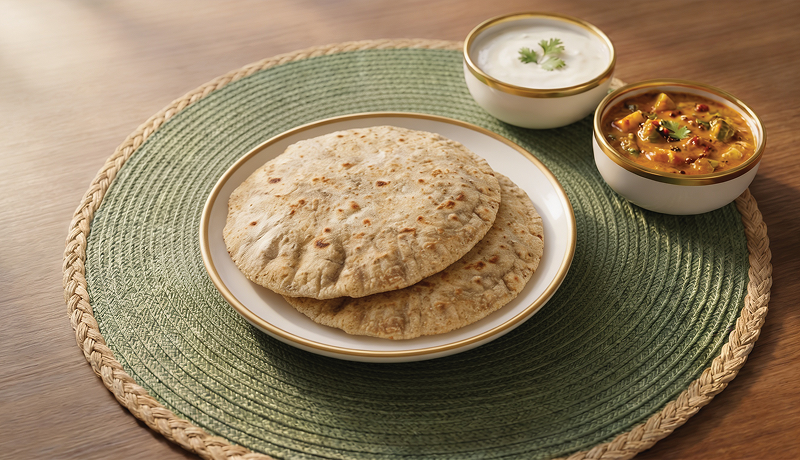
A homemade paratha and packaged instant snack may both be processed, but they affect fullness, cravings, and eating behavior very differently.

What Is Highly Processed Food?
Highly processed foods are products made mostly from industrial ingredients, additives, flavor enhancers, emulsifiers, refined starches, and highly manipulated food substances.
These foods are usually designed for:
• Long shelf life
• Hyper-palatability
• Convenience
• Repeat consumption
They often contain combinations of:
• Refined flour
• Added sugars
• Processed fats
• Artificial flavors
• Stabilizers
• Emulsifiers
• Excess sodium
The concern with these processed foods is not just calories.
The bigger issue is that they are often low in protein and fiber while being extremely easy to overeat.
Highly Processed Food List: Common Examples
Some common some processed foods include:
• Packaged chips
• Sugary breakfast cereals
• Instant noodles
• Frozen fried snacks
• Sweetened beverages
• Candy and confectionery
• Packaged cookies and cakes
• Processed meats
• Flavored yogurts with added sugars
• Many “diet” or “sugar free” packaged snacks

Is Processed Food Bad for You?
This is where confusion usually happens.
Processed food is not automatically bad for you.
In fact, some food processing improves:
• Food safety
• Nutrient absorption
• Shelf life
• Digestibility
• Convenience
Examples include:
• Pasteurized milk
• Frozen vegetables
• Fermented curd
• Roasted dals
• Plain oats
• Minimally processed nuts and seeds
The real concern is frequent overconsumption of highly processed foods that are engineered to reduce satiety and increase cravings.
Science Made Simple: How Highly Processed Foods Affect Hunger
Some processed foods often digest very quickly because they are low in fiber and protein.
This can lead to:
• Faster blood sugar spikes
• Energy crashes
• Increased hunger
• Frequent snacking
• Poor satiety
Research published by the National Institutes of Health (NIH) found that people eating some processed diets consumed significantly more calories compared to minimally processed diets.
Protein and fiber help slow digestion and improve fullness, which is why balanced meals generally reduce cravings more effectively than highly refined snacks.
Sources:
• NIH
• Harvard T.H. Chan School of Public Health
• WHO
Why Food Processing Sometimes Improves Nutrition
Food processing is not always harmful. In some cases, it actually improves nutrition.
For example:
• Fermentation improves gut health and digestibility
• Cooking improves absorption of some nutrients
• Homogenization improves milk fat digestion
• Fortification helps reduce deficiencies
The goal should not be eliminating all processing.
The goal is understanding food processing levels and choosing foods that still support satiety, nutrition, and metabolic health.
Milk Processing: A Surprising Example
Many people believe fresh loose milk is automatically healthier than packaged milk.
But studies comparing boiling and UHT processing found that excessive boiling can actually destroy more water-soluble vitamins compared to controlled some high temperature processing.
UHT processing heats milk briefly at high temperatures, helping preserve shelf life while retaining more nutrients.
Homogenization also reduces milk fat globule size, which may improve fat digestion and texture.
This shows how industrial processing is not always nutritionally inferior.
Millets and Why Processing Matters
Millets are often called superfoods because they provide:
• Fiber
• Minerals
• Protein
• Slow-release carbohydrates
But raw millets also contain antinutrients like phytates and tannins, which can reduce mineral absorption.
Traditional processing methods like:
• Soaking
• Fermentation
• Germination
• Roasting
help improve digestibility and nutrient availability.
This is why traditional Indian food wisdom relied heavily on processing methods long before modern nutrition science explained them.
Practical Ways to Choose Better Foods
Instead of fearing all processed foods, focus on smarter food quality decisions.
Here are some practical guidelines:
• Prioritize foods with protein and fiber
• Read ingredient lists carefully
• Avoid products with excessive added sugars
• Don’t rely only on “sugar free” claims
• Choose minimally processed snacks more often
• Build meals around whole foods first
• Use convenience foods strategically, not constantly
Healthy eating works better when it feels practical and sustainable.
Common Mistakes Consumers Make
Assuming “natural” always means healthy
Many “natural” products are still high in sugar or low in satiety.
Focusing only on calories
A low-calorie snack without protein or fiber may still increase cravings later.
Demonizing all processed foods
Processing itself is not the enemy. Nutritional quality matters more.
Ignoring satiety
Foods that do not keep you full often lead to overeating later.
FAQs
Is processed food bad for you?
Not always. Many processed foods like curd, frozen vegetables, oats, and pasteurized milk can support healthy eating. The bigger concern is frequent intake of some processed foods high in refined ingredients and low in satiety.
What is the difference between processed food and highly processed food?
Processed foods undergo basic preparation like cooking, drying, or fermentation. Some processed foods contain industrial additives, refined ingredients, flavor enhancers, and are usually designed for convenience and overconsumption.
Why do highly processed foods increase cravings?
Some processed foods are often low in protein and fiber while being highly palatable. This combination may lead to quicker hunger, blood sugar fluctuations, and overeating.
Are packaged foods always unhealthy?
No. Some packaged foods can be nutritious depending on ingredient quality and nutritional balance. Reading labels and understanding food processing levels is important.
Start Making Smarter Food Swaps
At Prolicious, we believe the goal is not to fear processing completely, but to understand the intention behind it.
Some level of processing is part of everyday cooking itself. Cooking dal, making curd, roasting makhana, grinding chutneys, or turning wheat into atta are all forms of food processing that help make food safe, digestible, and enjoyable.
That’s the philosophy we follow while creating our products too.
We make foods using ingredients you would recognize from your own kitchen, with processes that are closer to how food is prepared at home rather than heavily engineered some processed formulations. The focus is on real ingredients, better nutrition, balanced satiety, and foods that fit naturally into everyday life.
Because healthier eating should feel familiar, practical, and sustainable not complicated or restrictive.